Compare Local Contractors for Small Animal Removal Services
Compare local contractors for small animal removal to define project scope, verify experience, and set clear written expectations for effective property protection.
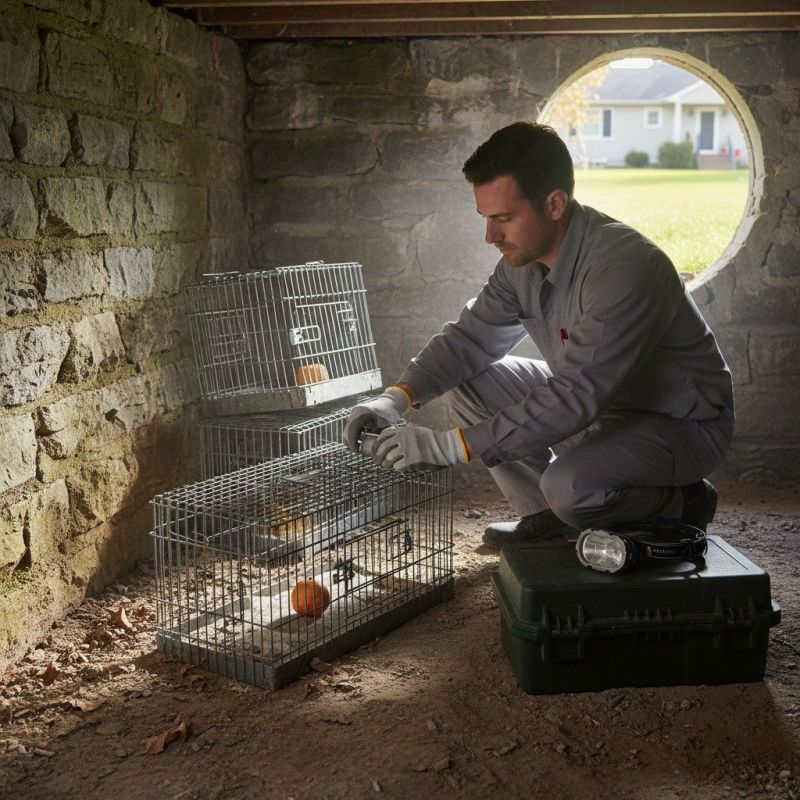
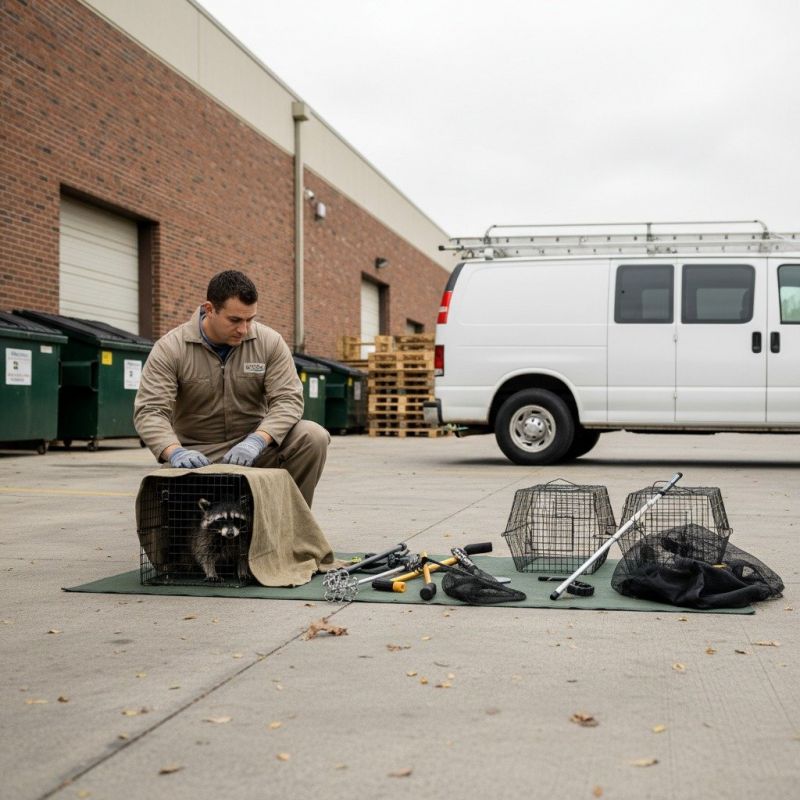
Small animal removal services typically cover the identification, humane trapping, and exclusion of unwanted wildlife such as raccoons, squirrels, bats, and other pests that may invade residential or commercial properties. These contractors often handle situations where animals have entered attics, crawl spaces, walls, or other inaccessible areas, requiring specialized techniques to safely remove the animals and prevent future entry. Proper removal not only addresses immediate concerns but also helps mitigate potential property damage and health risks associated with wildlife intrusion.
Defining the scope of work is essential to ensure that property owners and contractors share clear expectations. A detailed scope might specify which areas need inspection, the methods used for removal, and any necessary repairs or modifications to prevent re-entry. Clarifying these details in writing helps avoid misunderstandings, ensures that all parties agree on the extent of the work, and provides a record that can be referenced throughout the project. Well-defined scope also assists in evaluating whether a contractor’s experience aligns with the specific needs of the property.
When comparing local contractors for small animal removal, property owners should consider factors such as experience with similar projects, the range of services offered, and the methods employed. Verifying that a contractor has a solid reputation in the community and a transparent process for defining work scope can help identify reputable service providers. It’s also beneficial to review any available credentials or references and to ask how the contractor plans to handle the removal process and any follow-up work. By gathering this information, property owners can make informed decisions and select a service provider that best fits the specific requirements of their property.
Compare local contractors by outlining your priorities, verifying experience, and setting clear expectations in writing.
- Compare Contractor Experience - Review the background and track record of local service providers to ensure they can handle small animal removal effectively.
- Define Scope Clearly - Establish detailed work parameters and expectations in writing to avoid misunderstandings.
- Verify Service Capabilities - Confirm that contractors have the necessary skills and tools to safely and humanely remove small animals.
- Request Written Agreements - Document all project details, including scope and responsibilities, in a formal agreement before work begins.
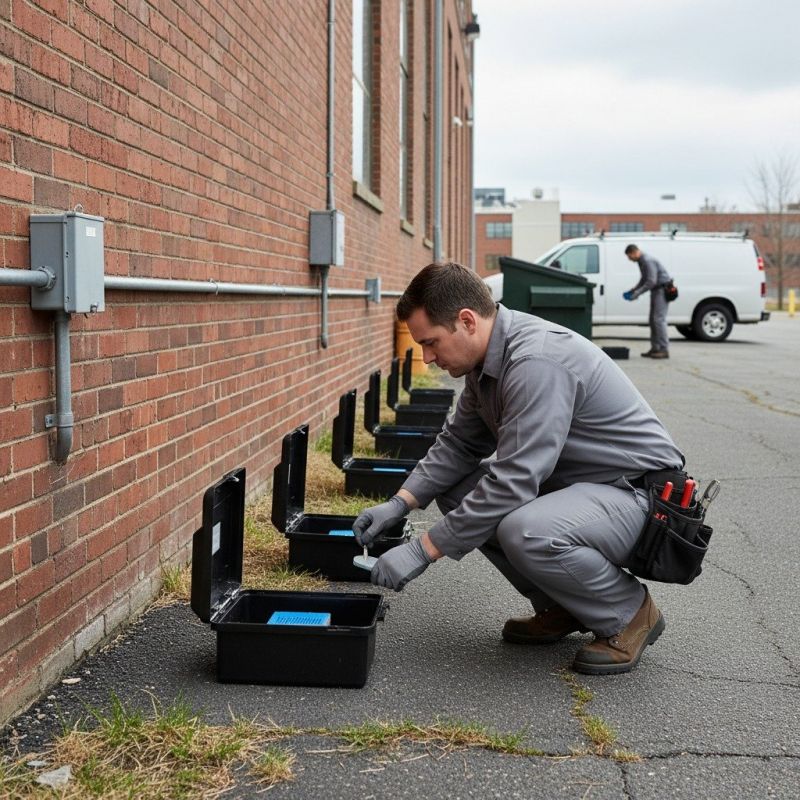
Clearly describe your small animal removal project to help compare local contractors, define scope, and verify experience effectively.
- Identify the types of small animals the contractor has experience removing. Ensure the scope of work clearly defines which animals are included in the removal process.
- Verify that the contractor assesses the property for entry points and potential nesting sites. Look for providers who conduct thorough inspections to locate all access points and signs of infestation.
- Check that the scope of work includes humane removal methods and animal exclusion techniques. Confirm the contractor emphasizes humane treatment and prevents future entry.
- Review the contractor’s process for cleaning and disinfecting affected areas after removal. Make sure the scope covers sanitation to prevent health hazards.
- Ensure the contractor provides a written estimate detailing the scope and methods of removal. Having a clear, documented plan helps compare services and set expectations.
- Confirm the contractor offers a warranty or guarantee on their exclusion work. This helps ensure the effectiveness of the removal and prevention measures.
Compare local contractors’ experience and clarify project scope to ensure effective small animal removal.
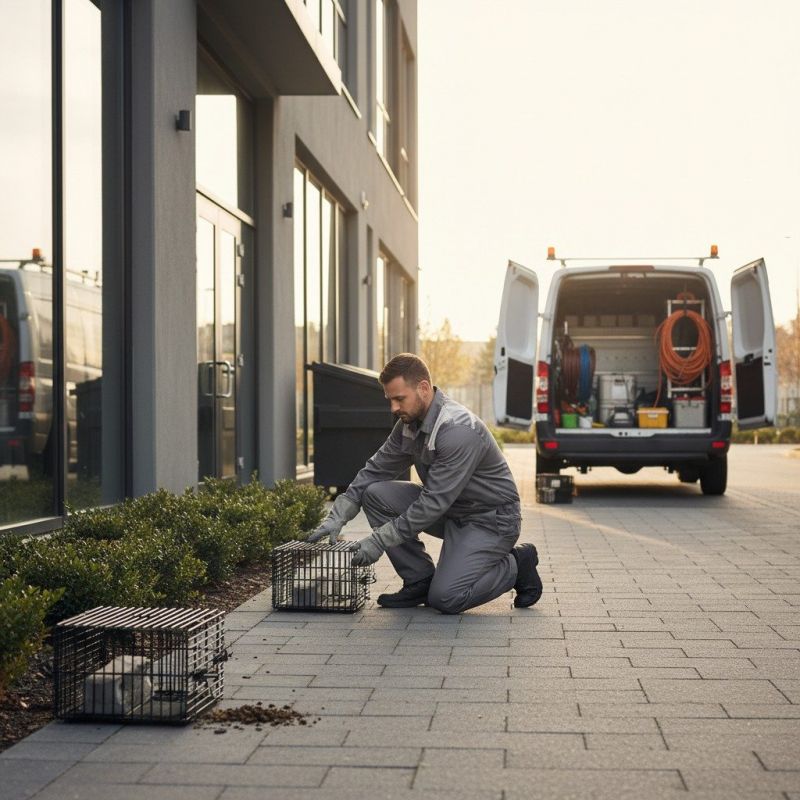
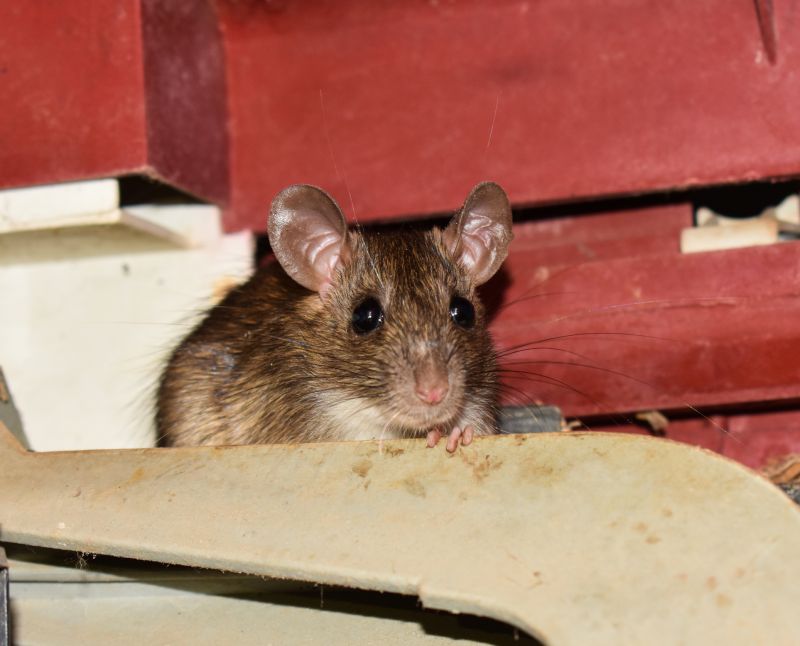
Use clear scope definitions and verify experience to ensure consistent comparisons across local service providers.
- Scope Definition - Clearly outline the specific types of small animals to be removed and the areas affected.
- Experience Verification - Confirm that service providers have relevant experience with small animal removal techniques.
- Method and Equipment - Specify the removal methods and tools that will be used to ensure effectiveness and safety.
- Exclusion and Prevention - Include details about follow-up exclusion measures to prevent future animal intrusions.
- Written Agreement - Ensure all scope details and expectations are documented in a written contract before work begins.
When comparing contractors for small animal removal, it’s important to consider their experience with similar projects. Service providers that have handled a variety of small animal issues-such as raccoons, squirrels, or bats-are more likely to understand the nuances of effective removal and prevention. Inquiring about the types of animals they have worked with and the environments they have served can provide insight into their familiarity with different situations. This background can help ensure that the chosen contractor has the practical knowledge needed to address the specific challenges of a property.
A clear, written scope of work is essential when evaluating small animal removal contractors. This document should outline the specific tasks involved, including inspection, removal procedures, and any necessary repairs or exclusions. A well-defined scope helps set expectations and ensures that both parties understand what is included and what is not. Avoiding vague descriptions can prevent misunderstandings and provide a solid basis for assessing whether a contractor’s approach aligns with the property owner’s needs.
Verification of a contractor’s experience can be approached through references or examples of past projects. While formal licensing or certification are not the focus here, obtaining details about previous work can help gauge a service provider’s reliability and expertise. Asking for references or case studies allows for a better understanding of how they have successfully handled similar situations. This step is vital in confirming that the contractor has a proven track record of effective small animal removal and property protection.
When evaluating options, it’s important to consider how each contractor communicates and documents their process. A reputable service provider will be willing to provide a detailed written proposal that covers the scope, methods, and any follow-up steps. Comparing these documents can reveal differences in thoroughness and professionalism. Focusing on the clarity and completeness of their written communication can help identify the most suitable contractor for the job, ensuring that expectations are aligned before any work begins.
Request written descriptions of the scope of work to ensure clear expectations and consistent project understanding.
- Experience and Expertise - What specific experience do local contractors have with small animal removal?
- Scope of Services - How do contractors define the scope of work included in their small animal removal services?
- Methods and Techniques - What removal methods do service providers typically use, and are they appropriate for your situation?
- Work Guarantee and Follow-up - Do contractors provide any written assurances or follow-up services after the removal process?
- Comparison of Service Offerings - How can the scope and approach of different local contractors be compared to ensure clarity?
How can I compare contractors for small animal removal? It’s helpful to review their experience, services offered, and customer feedback to assess which local service providers are best suited for the job.
What should I consider when defining the scope of small animal removal? Clearly outline the types of animals involved, the areas affected, and any specific access or removal methods needed to ensure contractors understand the project requirements.
How do I verify the experience of local contractors? Request information about their previous work with similar animals and projects, and consider checking references or reviews to gauge their expertise.
What is the importance of having a written agreement with a contractor? A written scope of work helps set clear expectations, details the tasks to be performed, and provides a record of the agreed-upon services.
How can I ensure a contractor understands my specific needs? Communicate your concerns and requirements clearly, and confirm that the contractor has experience handling similar situations before proceeding.
Why is it important to compare multiple service providers? Comparing different local contractors allows for assessing their approaches, experience, and scope of services to find the best match for the project.
Homeowners now have access to a variety of service providers specializing in small animal removal, making it easier to compare options and find the right fit for their needs. By reviewing scope of work, verifying experience, and setting clear expectations in writing, individuals can approach the selection process with confidence and clarity.
Utilizing the quote form allows visitors to gather information and compare local contractors efficiently. This step helps ensure that expectations are aligned and that the chosen service provider is well-suited to handle the specific animal removal requirements.