Seasonal Racoon Activity and When Removal Is Most Effective
Understanding seasonal raccoon activity and when removal is most effective helps homeowners connect with local service providers who can safely and efficiently handle raccoon removal during peak times.
Understanding seasonal racoon activity and when removal is most effective can help property owners better protect their homes and outdoor spaces. Raccoons tend to be most active during specific times of the year, often seeking food, shelter, and mates, which can lead to increased encounters around residential properties. Recognizing these patterns allows property owners to take timely action, reducing the risk of property damage, unwanted visits, or potential health concerns. Local service providers who specialize in raccoon removal are equipped to handle these seasonal fluctuations, offering solutions tailored to the times when raccoons are most likely to be active.
For those living in areas with noticeable raccoon presence, understanding the seasonal nature of their activity can be a practical step toward effective management. Local contractors experienced in raccoon removal can assess the current activity levels and implement strategies that are most effective during peak times. Keeping an eye on seasonal patterns ensures that removal efforts are timely, helping to prevent issues before they escalate. Exploring these seasonal trends and consulting with local experts can make a significant difference in maintaining a safe and raccoon-free property.
- Seasonal racoon activity and when removal is most effective - local contractors often see increased raccoon activity during spring and early summer, making this the ideal time for removal efforts.
- Spring and fall seasons are common periods when raccoons seek shelter, prompting local service providers to recommend timely exclusion and removal services.
- During late summer, raccoons become more active around food sources, with local pros employing strategic trapping and habitat modification to manage activity.
- In winter, raccoon activity tends to decrease, but local contractors can still perform removal and exclusion to prevent spring surges.
- Understanding seasonal raccoon activity helps local pros plan effective removal strategies when raccoon presence is at its peak.

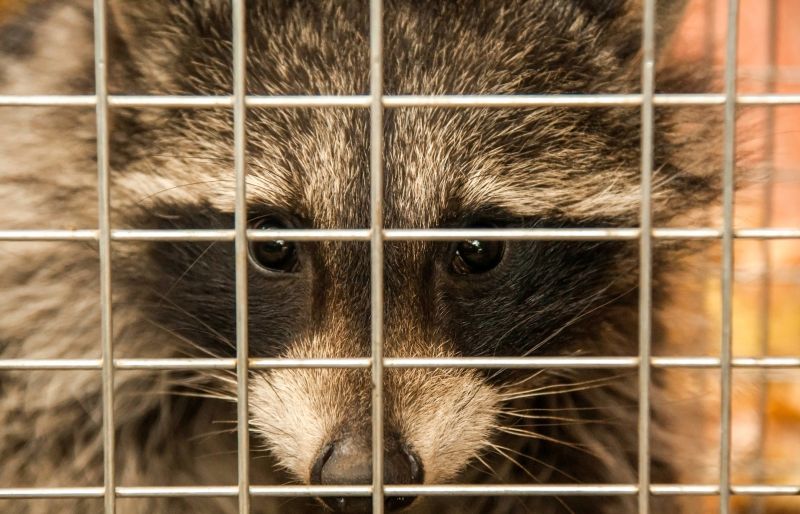
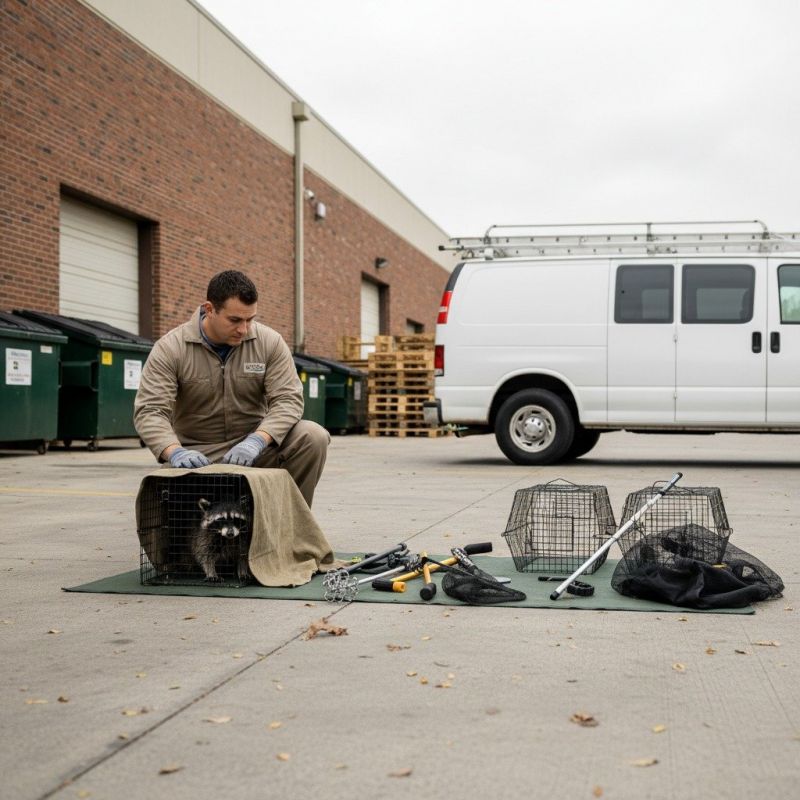
Understanding seasonal racoon activity and when removal is most effective helps homeowners address potential issues before they escalate. Raccoons are primarily nocturnal animals that become more active during certain times of the year, especially in spring and early summer when they are seeking food and establishing nesting sites. During these seasons, raccoons are more likely to explore rooftops, chimneys, attics, and yards, searching for food sources and safe places to raise their young. When homeowners notice increased raccoon presence or signs of nesting, it often prompts a search for information about seasonal activity and the best timing for removal efforts. Local service providers experienced in raccoon removal understand these patterns and can advise on the most strategic times to address the problem effectively.
People searching for this topic often have concerns about raccoons causing property damage, contaminating insulation, or creating safety hazards. They may also be worried about raccoons entering living spaces or leaving behind waste and debris. Plans to remove raccoons are typically driven by the desire to protect property, prevent health risks, and avoid future infestations. This search can also be related to preventative measures, such as sealing entry points or installing deterrents, which are most effective when timed with seasonal activity peaks. Homeowners with yards, garages, attics, or crawl spaces are frequently involved in these situations, as these property types often provide raccoons with easy access and nesting opportunities.
Properties that commonly come up in discussions about seasonal raccoon activity include residential homes, especially those with accessible attics, chimneys, or rooflines. Yards with accessible garbage, compost bins, or pet food can attract raccoons during their active seasons. Outbuildings like sheds, barns, and garages are also common sites for raccoon activity, especially if they offer shelter or food sources. In some cases, larger properties such as farms or rural homes see increased raccoon presence due to abundant natural food sources and less frequent human disturbance. Local contractors specializing in raccoon removal can assess these property types and implement targeted strategies to reduce raccoon activity during peak seasons.
Timing is a critical factor when it comes to effective raccoon removal. The most strategic period for removal efforts generally coincides with the early stages of increased activity, often in spring and early summer. During this time, raccoons are actively searching for nesting sites and food, making it easier to locate and remove them before they establish permanent dens or reproduce. Addressing raccoon activity before they reproduce can prevent larger infestations and reduce property damage. Local service providers are well-versed in seasonal patterns and can help homeowners plan removal efforts during these optimal windows. Proper timing, combined with exclusion and habitat modification, ensures a more effective approach to managing raccoon activity and safeguarding property throughout the year.
Wildlife exclusion projects - local contractors specialize in sealing entry points and preventing raccoons from returning during peak activity seasons.
Animal trapping and removal services - professionals use humane methods to remove raccoons and other nuisance wildlife at optimal times for effectiveness.
Home inspection and damage repair - experts identify and fix vulnerabilities that raccoons may exploit during seasonal activity peaks.
Attic and crawl space sealing - specialists ensure vulnerable areas are secured to prevent raccoon intrusion during high activity periods.
Habitat modification services - local service providers help reduce attractants around properties to discourage raccoon presence in seasonal peaks.
Preventive wildlife management - contractors develop plans to minimize raccoon activity and damage aligned with seasonal behavioral patterns.
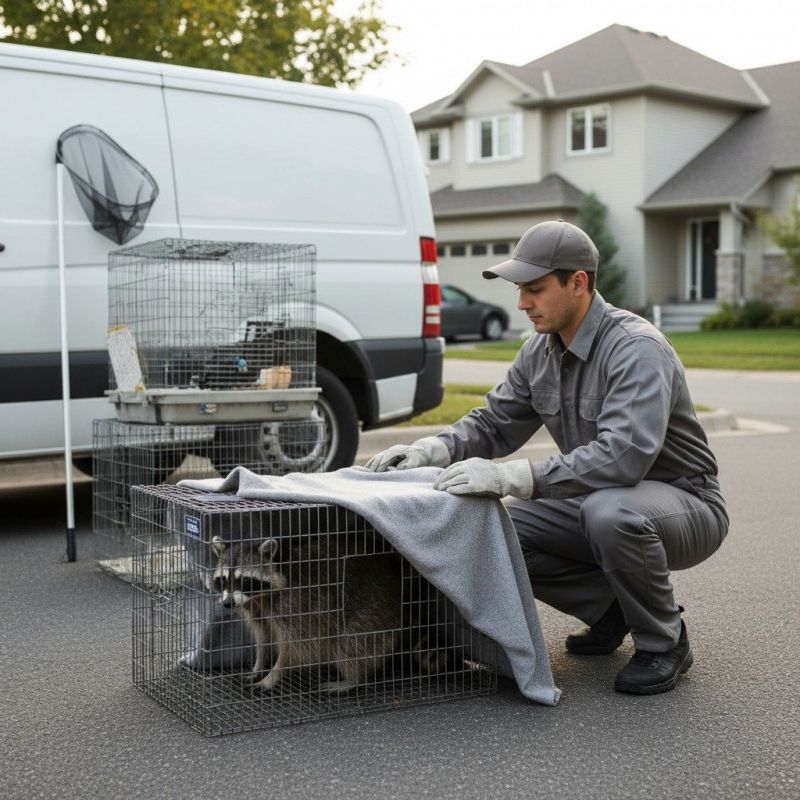
When comparing service providers for seasonal raccoon activity and removal, it is important to consider their experience with similar projects. Homeowners should seek out local contractors who have a proven track record in handling raccoon-related issues, particularly during specific times of the year when these animals are most active. An experienced professional will understand the behaviors and patterns of raccoons throughout different seasons, enabling more effective removal strategies and prevention methods tailored to the local environment.
Clear written expectations are essential to ensure that both the homeowner and the service provider are aligned on the scope of work. When evaluating local contractors, inquire about their approach to seasonal raccoon removal, including the methods they use and what the process entails. A reputable provider will be transparent about what services are included, any necessary follow-up, and how they address potential challenges that may arise during different times of the year. This clarity helps prevent misunderstandings and ensures that the removal efforts are appropriate for the current seasonal activity.
Reputable references and good communication are key indicators of a reliable service provider. Homeowners should seek out local contractors who can provide references related to raccoon removal or similar wildlife control projects. Additionally, effective communication-whether through prompt responses, detailed explanations, or willingness to answer questions-can make the process smoother and more predictable. Choosing a provider with a strong reputation and open lines of communication helps ensure that the seasonal raccoon activity is managed effectively and that the removal services are coordinated in a manner that fits the homeowner’s needs.
Property owners often search for seasonal racoon activity and when removal is most effective when they are planning practical projects around their homes and businesses. Local pros provide Seasonal Racoon Removal services for everyday jobs and straightforward project options.
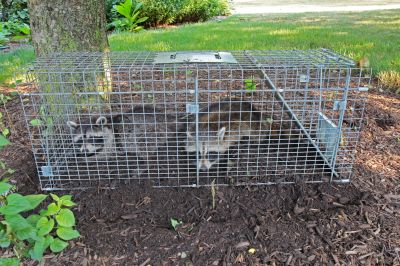

Seasonal raccoon activity tends to increase during specific times of the year, particularly in the spring and fall. During these seasons, raccoons are more active as they search for food, mate, or prepare for colder months. Property owners might notice raccoons rummaging through trash, nesting in attic spaces, or foraging around their yards. Recognizing these seasonal patterns can help homeowners determine the best time to seek professional raccoon removal services, ensuring that the animals are addressed before they cause significant damage or become a safety concern.
Timing is crucial when it comes to raccoon removal, as local contractors often find that the most effective approach is during peak activity periods. Engaging with experienced service providers during these times can lead to more successful and humane removal efforts. Property owners who observe increased raccoon presence or signs of nesting might consider connecting with local pros to handle the situation promptly. Proper seasonal timing can help prevent ongoing issues and ensure that raccoons are removed efficiently, reducing the likelihood of future problems.
When is raccoon activity highest during the year? Raccoon activity tends to increase during warmer months, especially in spring and summer, making it more likely to encounter them near properties. Local service providers can help identify peak activity periods in specific areas. Understanding these seasonal patterns can improve the effectiveness of removal efforts.
Why is seasonal timing important for raccoon removal? Timing removal services during periods of high raccoon activity can prevent damage and reduce the risk of conflicts. Local contractors often recommend scheduling removal before raccoons establish winter dens or during peak foraging times for better results.
When is the best time to remove raccoons to ensure long-term success? The most effective removal typically occurs before raccoons settle into winter dens or during their active seasons in spring and summer. Local pros can advise on optimal timing based on seasonal raccoon activity patterns in the area.
How does seasonal raccoon activity affect removal strategies? During peak activity seasons, raccoons are more likely to be active and visible, making it easier for service providers to locate and remove them. Off-season, raccoons may be less active or hidden, which can complicate removal efforts.
Are there specific seasons when raccoon removal services are more successful? Removal services tend to be more successful when scheduled during periods of high raccoon activity, such as late spring and summer, when raccoons are most active and foraging. Local contractors can help determine the best timing for effective removal in each season.
Monitor raccoon activity seasons - property owners can observe patterns of raccoon presence to determine optimal removal times with help from local contractors.
Schedule removal before breeding seasons - arranging raccoon removal services ahead of mating periods can prevent new generations from establishing on the property.
Perform preventative repairs in off-peak seasons - fixing entry points and sealing gaps during less active times reduces raccoon access when activity resumes.
Identify signs of increased activity - recognizing early signs like tracks or damage can prompt timely assistance from local pros to address seasonal raccoon behavior.
If you are thinking about seasonal racoon activity and when removal is most effective for a property, this guide is meant to help you understand this topic, the typical project types, and how different options might fit your plans.
When you are ready, you can use the quote form on this page to share a few details about your project. From there, local pros can review the basics and follow up with options that match what you have in mind.